About Derbyshire
Derbyshire is a spectacular county with a rich, diverse heritage.
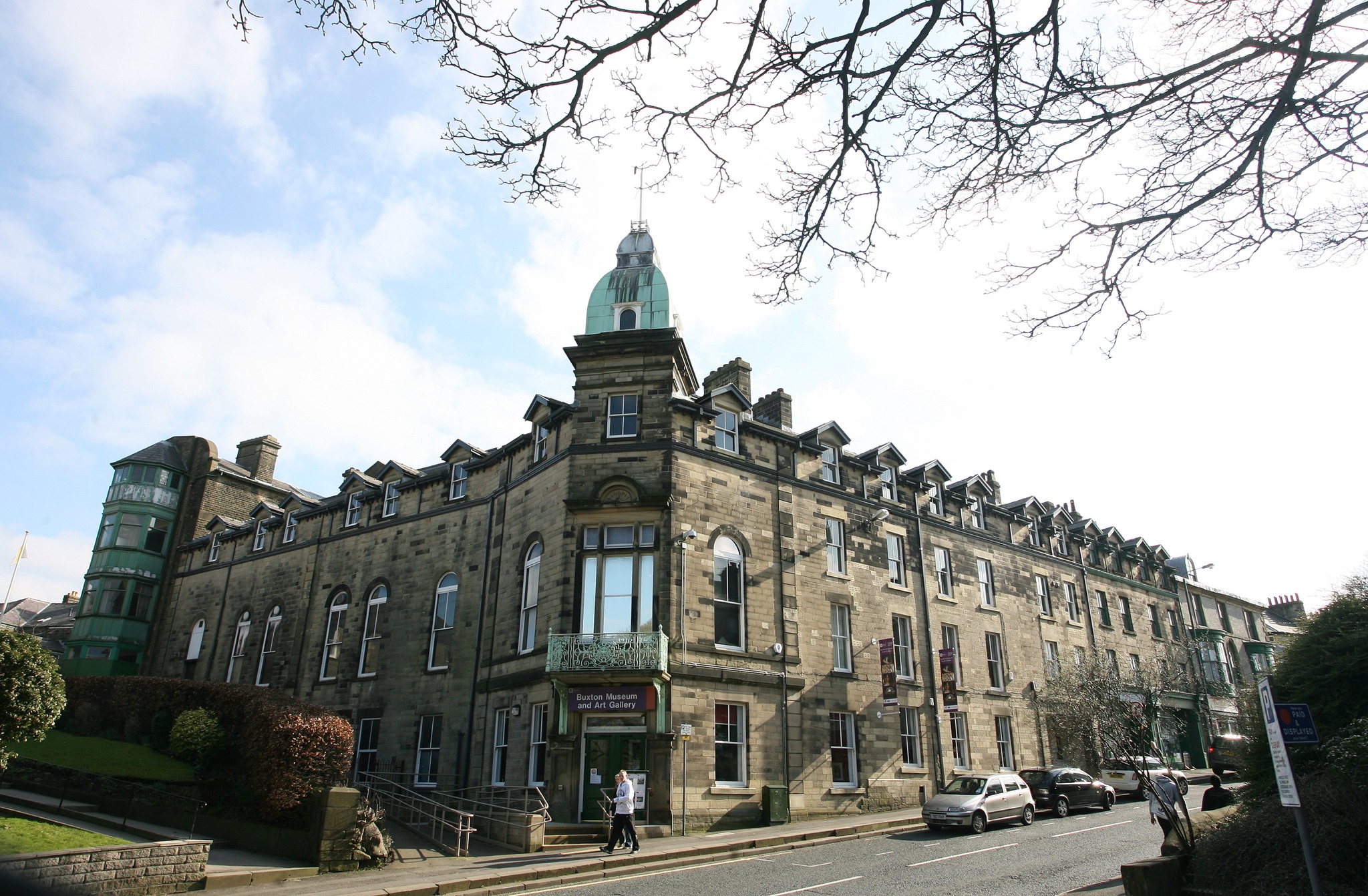
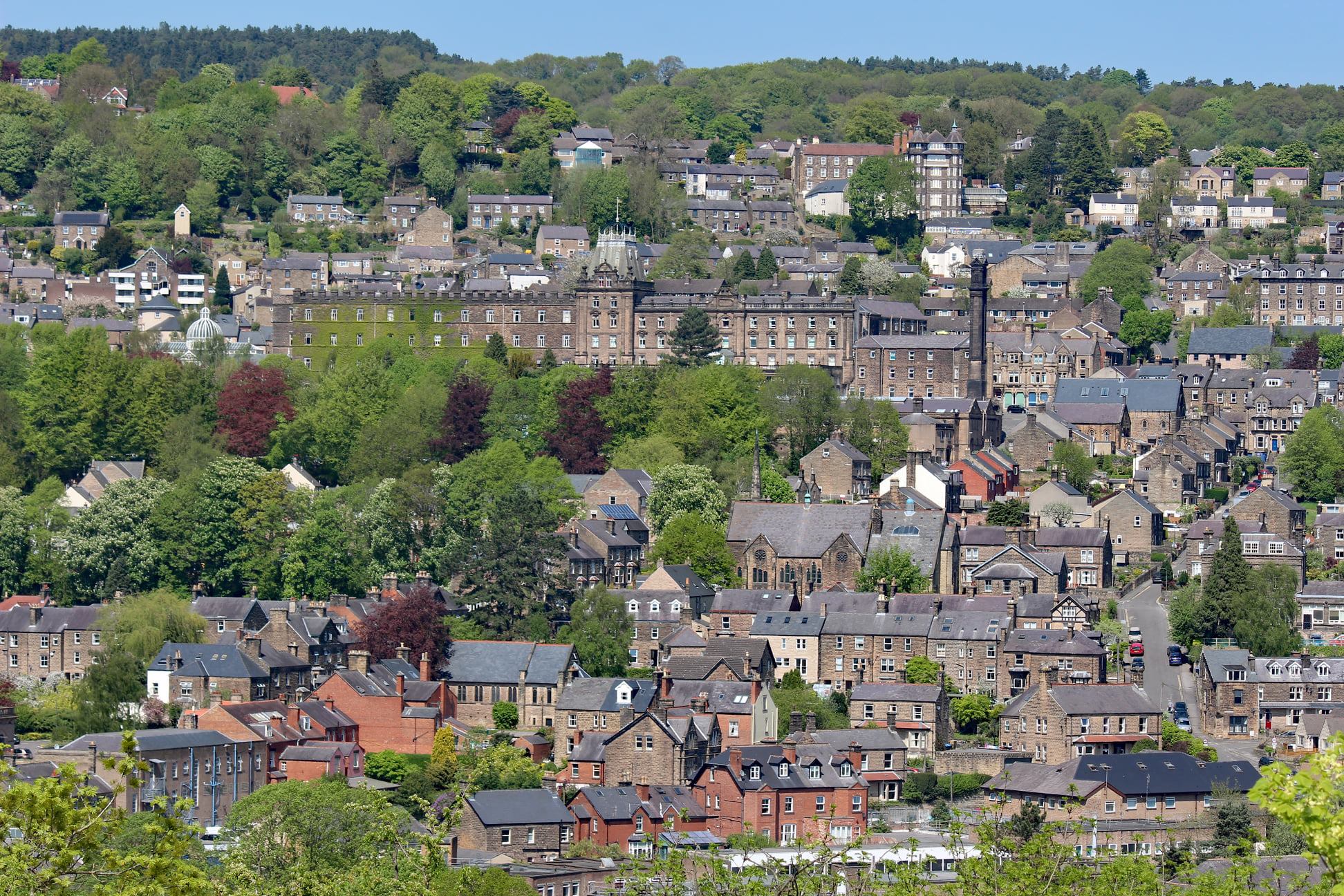
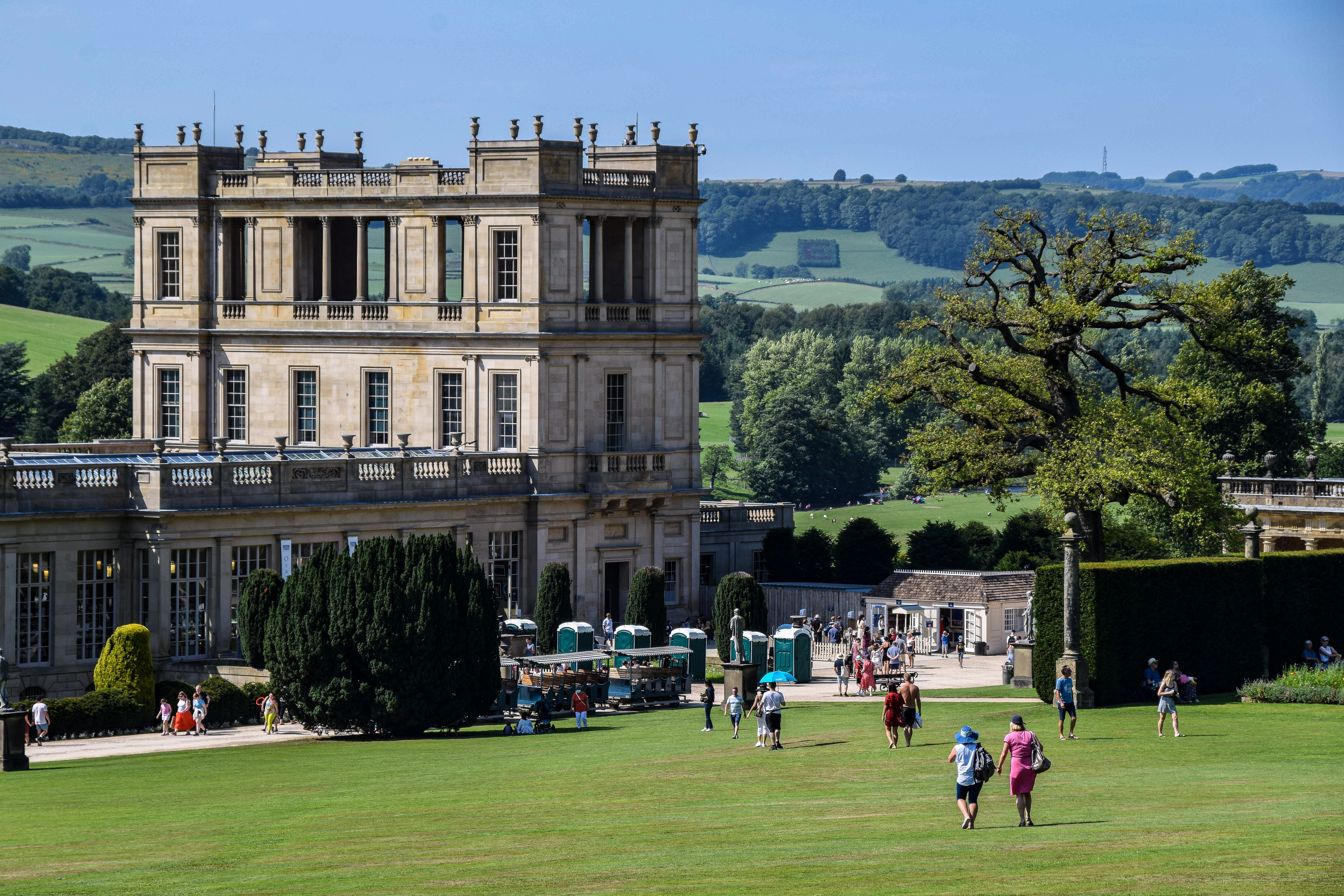
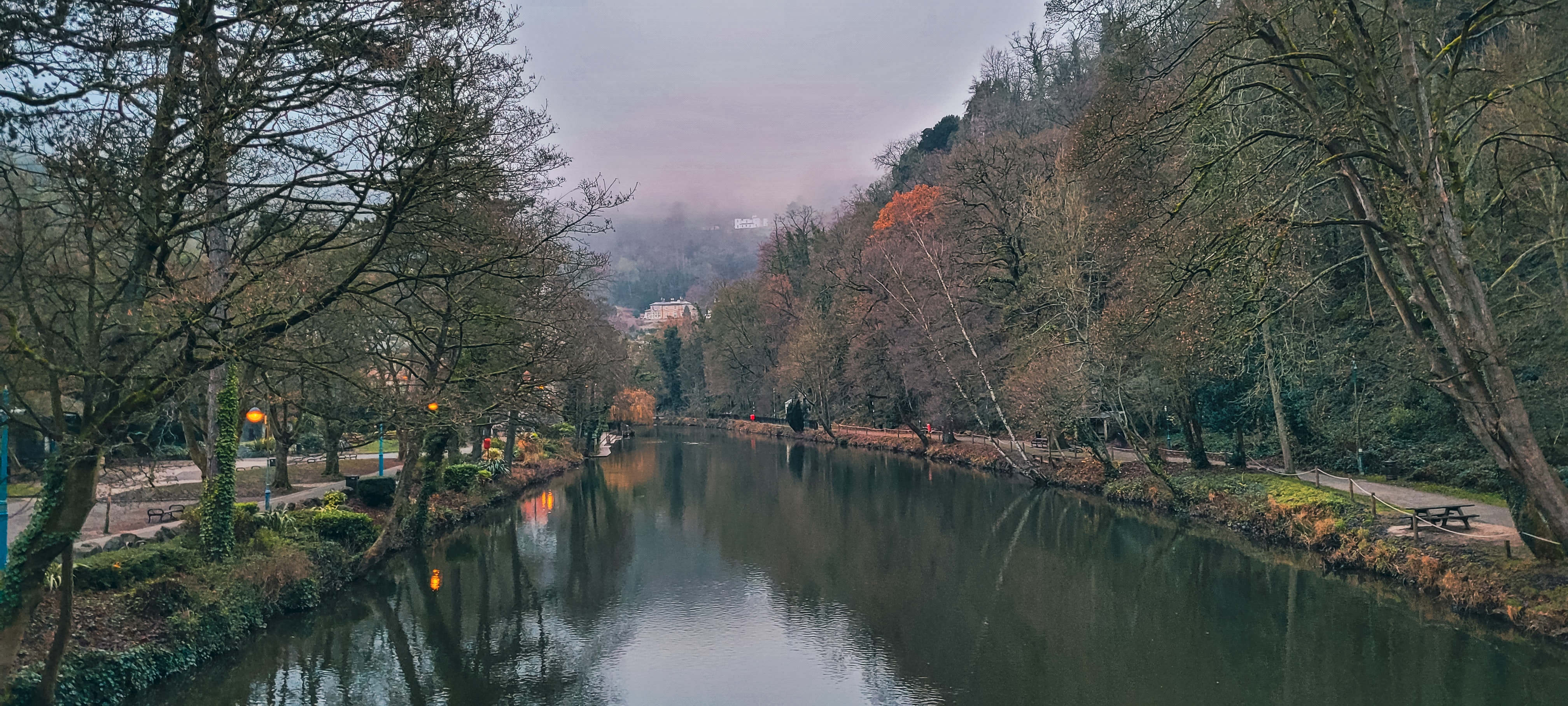
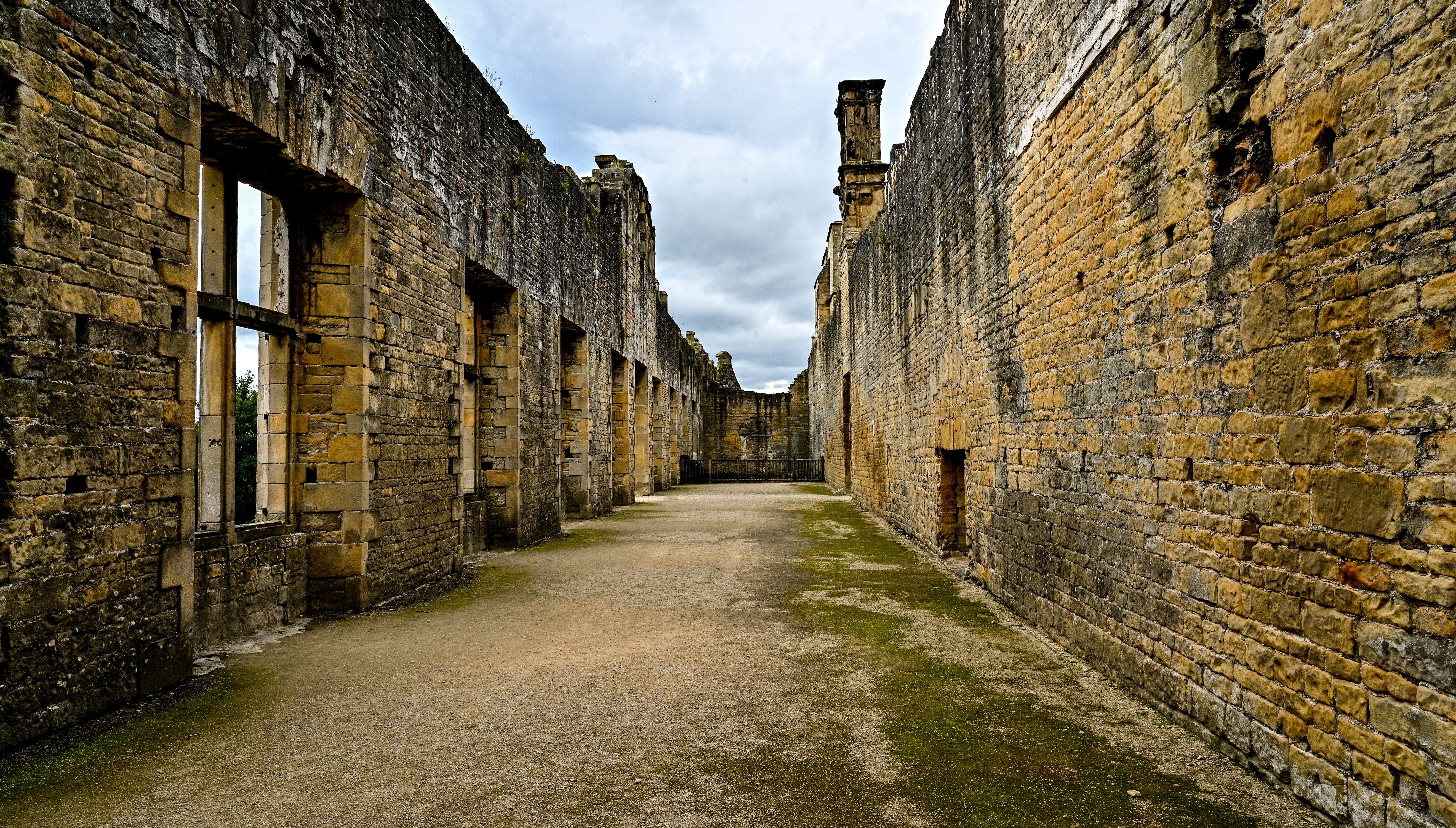
Alongside the beautiful natural landscape which includes the Peak District National Park, Derbyshire has several historic towns and buildings of great interest and importance. The Derwent Valley Mills World Heritage Site is situated in the county along with other attractions such as Chatsworth House, Creswell Crags, and part of the National Forest. Derbyshire’s high-quality landscape and cultural sites are important assets to the local economy.
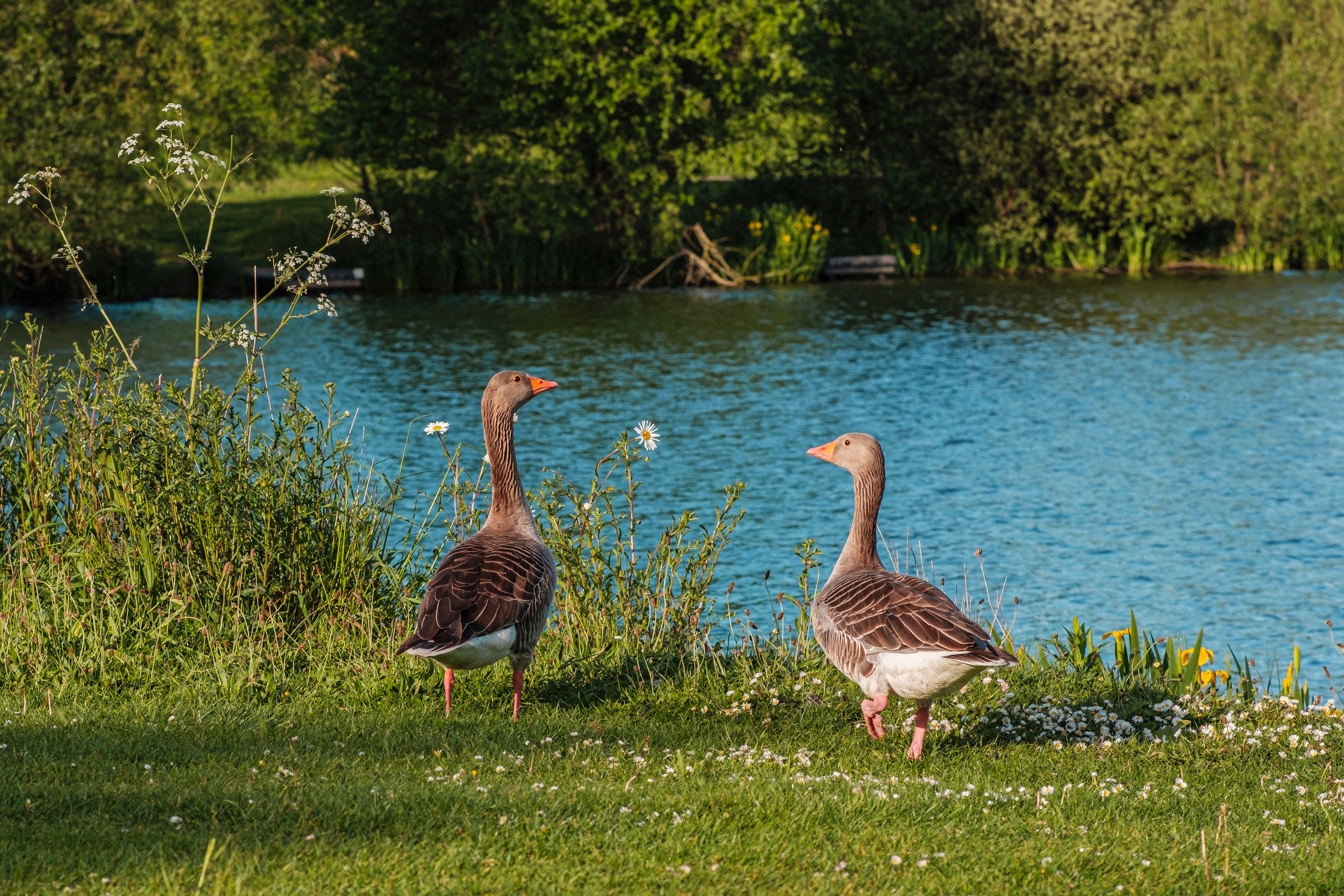
Derbyshire is a large county with several heavily built-up urban areas and large sparsely populated rural areas. Much of the north and west of the county is very rural, most of it falling within the Peak District National Park area. Twenty-seven per cent of our population lives in rural areas.
The county benefits from being centrally located within England with strong links to the neighbouring cities of Derby, Nottingham, Sheffield, Manchester, and Leicester. Overall, Derbyshire is well served by road, rail, and air. The M1 motorway and railway links provide excellent north/south communications in the east of the county but access is more difficult in some of the isolated rural areas.
The county is home to around 822,000 people and covers an area of 255,000 hectares. Derbyshire has several important market towns which play a significant role in the local economy as centres of employment and service provision. Chesterfield is the main urban area with a population of 76,700.
By 2045, Derbyshire’s overall population is estimated to grow by 12%. In addition, the county is forecast to have an increasingly ageing population, with our population aged 65 and over currently making up 23 per cent of the total, compared to 19% for England. With a higher level of need there will be implications for the level and cost of many public services across Derbyshire. Ensuring the Council is prepared for the future and able to adapt to the challenges that lie ahead is key part of our Enterprising Council approach.
We have a small (6.3%) but growing ethnic minority population which is mainly concentrated in the districts of Erewash, Chesterfield and South Derbyshire.
Derbyshire contributes £18.3bn to the national economy and the local economy has grown by 1.3% over the last five years, a period which includes the pandemic. Productivity levels across the county over the last five years have shown higher rates of improvement, helping to narrow the gap between Derbyshire and England.
Derbyshire has nearly 29,900 businesses in the county that employ some 296,500 people. The area has significant strengths in the advanced manufacturing sector, with a number of world-class companies such as Toyota, Rolls Royce, JCB and Alstom choosing to locate and invest in the county and its surrounding area.
The employment profile of Derbyshire is significantly different from that of England. Locally, manufacturing remains a key sector accounting for 16.0% of all employment, more than double the national rate. The visitor economy is also of significance to the local economy employing 33,000 workers, along with the health and social care sector that employs 39,000 people. Employment in some of the higher value sectors locally is under-represented, with fewer people in Derbyshire working in sectors such as business administration, professional & scientific, finance and communications compared with England.
One of the key strengths of Derbyshire’s economy over recent years has been the large pool of available labour with relatively higher employment rates and lower unemployment levels. Whilst the pandemic has impacted considerably on these areas of the labour market, overall unemployment in the county remains below the national average.
However, in parts of Chesterfield, Erewash, and High Peak the rate is above the national average. In addition, there are 22 areas in Derbyshire which rank amongst the 10 per cent most deprived areas in England. The Council is working alongside our local communities to ensure that people and places continue to thrive.