About the Councils
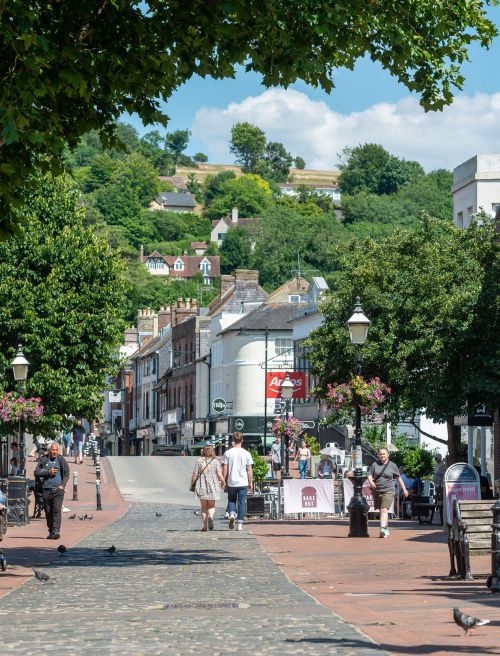
Lewes District encompasses layers of English history, from the Norman‑built Lewes Castle to the remains of Lewes Priory. The town of Lewes is famous for its annual Bonfire celebrations, while the wider district includes coastal heritage such as Seaford’s Cinque Port and Newhaven Fort. Across the South Downs, centuries of agriculture and settlement have shaped the distinctive landscape and rural identity that continue to define the district today.
Lewes District Council continues to operate with a focus on community wellbeing, sustainable development and long‑term financial planning. Its Medium‑Term Financial Strategy aligns resources to corporate priorities through 2026/27–2029/30, supporting the delivery of local services and future infrastructure investment. The council also advances a range of improvement programmes, from play area renewals to biodiversity work and climate‑focused projects aimed at achieving net‑zero operations by 2030.
The district is currently consulting on its new Local Plan, which will guide development, environmental protections and infrastructure needs up to 2030 and beyond. Within the broader journey toward Local Government Reorganisation, Lewes District Council strongly supports the One East Sussex proposal, recognising its potential to ensure sustainable services and protect community identity in the long term.

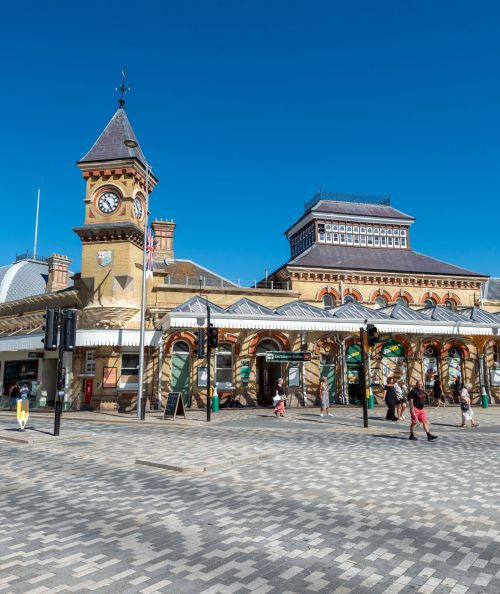
Eastbourne has a rich and varied past, from Stone Age activity on the Downs to Roman occupation and medieval settlements. Its transformation into a celebrated Victorian seaside resort was driven in large part by the Duke of Devonshire, whose vision produced much of the elegant architecture still present today. The town’s coastal heritage includes historic defence structures such as Martello Towers and the Eastbourne Redoubt, along with the iconic Eastbourne Pier, opened in 1870, which remains a defining symbol of the town’s identity.
Eastbourne Borough Council continues to support significant growth and regeneration work through its Draft Eastbourne Local Plan, shaping a vision for new homes, employment land and community facilities through to 2042. This planning activity is reinforced by its Medium‑Term Financial Strategy, which addresses demand pressures, such as temporary accommodation needs, and aligns budgets with corporate priorities up to 2029/30.
As work on the One East Sussex proposal progresses, Eastbourne Borough Council remains an active partner in shaping how future services may be unified. Maintaining Eastbourne’s distinct economic, cultural and social needs will continue to be central to decision‑making as the county transitions toward potential structural reform.
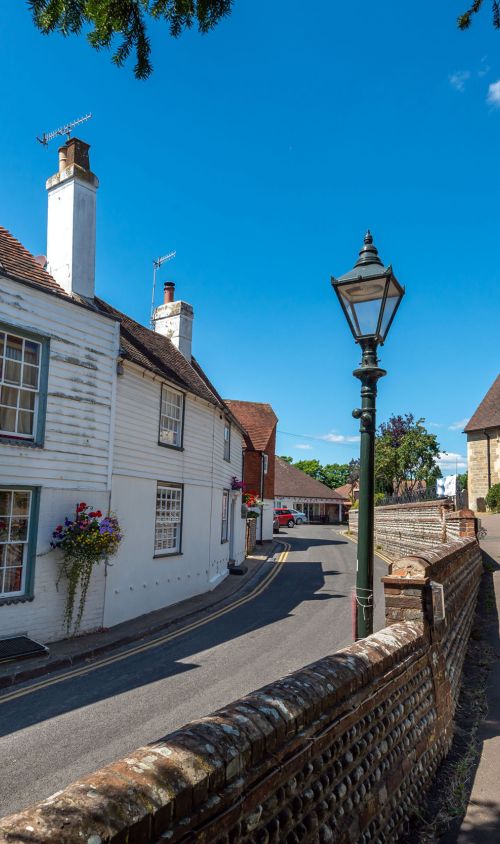
Rother District is home to some of England’s most important heritage sites. It includes Battle, the site of the Battle of Hastings, Rye, a medieval Cinque Port, and historic fortifications such as Ypres Tower, reflecting centuries of maritime and trading history. In Bexhill‑on‑Sea, the modernist De La Warr Pavilion stands as a landmark of British cultural architecture and a hub for contemporary arts. Beyond its towns, the High Weald National Landscape, one of England’s most ancient countryside areas, preserves field patterns, farmsteads and woodlands that trace human settlement back over a thousand years.
Rother District Council continues working to manage financial pressures while delivering key services. Its 2026/27 budget prioritises economic development, community wellbeing and environmental action under the “Green to the Core” programme, ensuring resources are directed to high‑impact local needs. The refreshed Council Plan 2025–2029 also aligns its strategic direction with potential changes arising from Local Government Reorganisation, ensuring continuity and preparedness for future structural reforms.
The district actively supports the One East Sussex proposal, recognising that a unified authority could enhance service integration across its diverse towns and rural settlements while still enabling the protection of local character and identity.
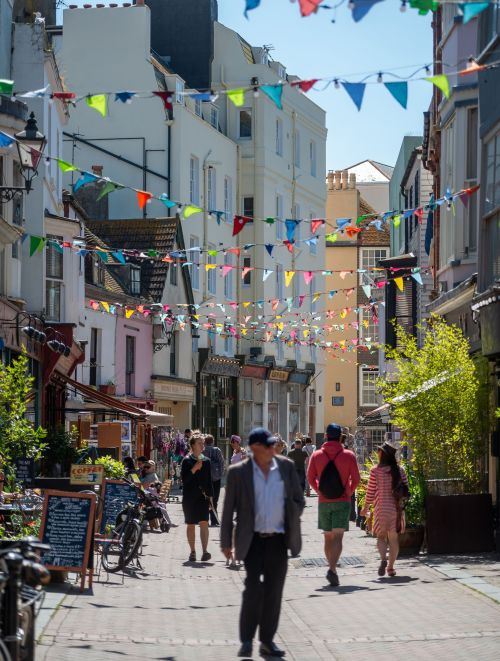
Hastings has a uniquely deep historic identity shaped by its association with the Battle of Hastings. The town developed as an early medieval settlement and later became a significant Cinque Port, providing ships to the Crown in exchange for trade privileges. Its Old Town preserves centuries‑old buildings, narrow lanes and historic churches, while Hastings Castle, built by William the Conqueror, remains an enduring symbol of the Norman legacy. Today, Hastings is equally known for its vibrant cultural scene, from contemporary arts to festivals celebrating the town’s maritime and creative heritage.
Hastings Borough Council provides a wide range of services, from waste and recycling to planning, environmental health, community wellbeing and digital self‑service platforms, to support local residents. Its 2026/27 budget directs new investment toward enforcement, heritage maintenance, anti‑poverty work, sports provision and the Town of Culture 2028 bid, helping to strengthen pride of place and community outcomes.
As a full partner in the One East Sussex proposal, Hastings contributes to shaping the future model of local governance. A unified structure could bring greater coordination to regeneration, cultural investment and coastal management - areas that are increasingly interdependent across the wider county.
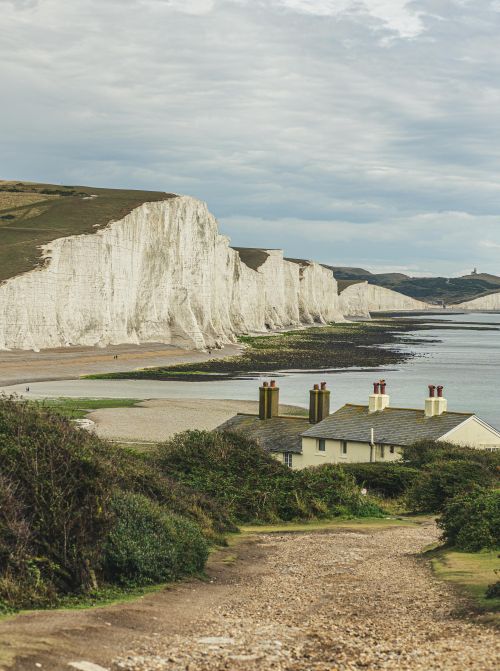
East Sussex has a long cultural lineage rooted in ancient settlements, medieval trade routes, dramatic coastline and historic towns. From the South Downs chalk landscapes to the coastal defences of later centuries, the county reflects layers of English history, with many heritage sites and cultural traditions shaping its modern identity. These rich local characteristics inform the county’s strategic planning and its approach to delivering services across East Sussex today.
East Sussex County Council continues to deliver key county‑wide services including adult social care, children’s services, public health, roads, libraries and education. Its Council Plan highlights four enduring priorities: driving sustainable economic growth, keeping vulnerable people safe, helping people help themselves and making best use of limited resources. With rising demand and increasing pressure on finances, the council is navigating one of the most challenging service environments in its history while maintaining focus on high‑quality outcomes.
The County Council has played a leading role in shaping the One East Sussex proposal, emphasising how a single unitary authority could provide more efficient, financially secure and better‑integrated services for residents, while maintaining strong local engagement and identity.
Additional benefits
East Sussex County Council offers a comprehensive range of staff benefits including:
- Between 26-29 days annual leave per year depending on length of service, plus bank holidays.
- Access to an online staff benefits portal, containing various offers and discounts from major retailers and service providers.
- Vehicle, bicycle, rental deposit and season ticket loan scheme.
- A variety of initiatives to support staff wellbeing – for example guided mindful meditation sessions, a counselling and employee assistance programme, and a network of Mental Health First Aiders.
- Enhanced maternity pay.
- Access to health cash plans at a corporate rate.
- Access to the Dell and Microsoft Home Use programmes, as well as the O2 open scheme.
- Access to credit unions and Give as You Earn schemes via payroll deduction, as well as savings, loans and financial education from Salary Finance
- A range of support for remote and flexible working.
- An additional leave purchase scheme.
- Access to a car leasing scheme.
- Access to salary sacrifice schemes for bikes and electric cars.
- Access to the Local Government Pension scheme, which offers an excellent range of benefits, including a career average pension when you retire. You can find out more on the East Sussex Pension Fund website.
- Access to an Additional Voluntary Contribution pension scheme.