Autism acceptance and understanding: there is still a long way to go
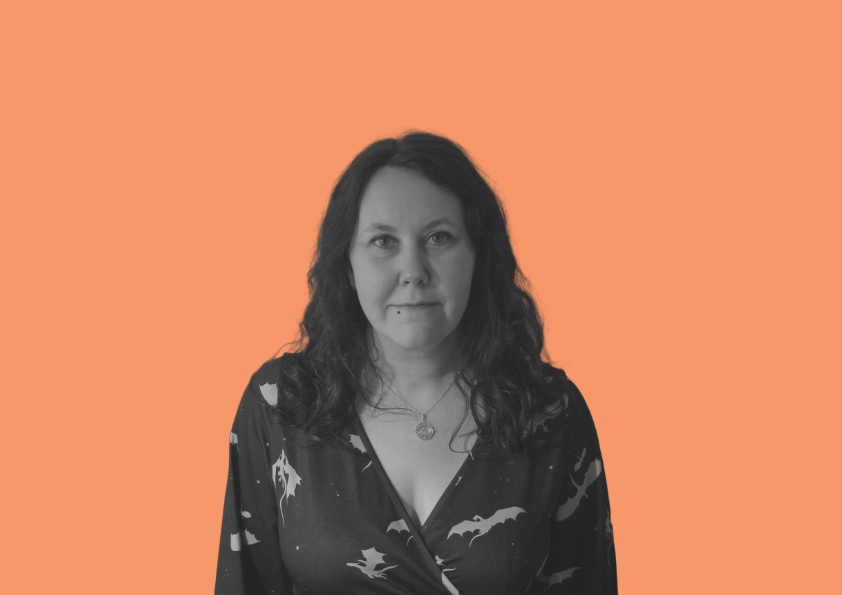
Senior Researcher Zara Bruton shares her experiences with autism – and why awareness and acceptance of autism is so important.
April is Autism Acceptance Month, with April 2nd recognised as Autism Awareness Day.
If you Google ‘Autism Awareness Day’, you get a whole plethora of questions in the “people also ask” section. Many are harmless, but others highlight how far we still have to go in terms of genuine understanding and acceptance.
Questions like “Which parent carries the autism gene?”, “Do autistic children love their mother?”, “What’s the best medicine for autism?”, and “Why is autism so common now?” show that public perception often remains rooted in misconceptions and negativity, although it is at least a sign that people are curious.
I was diagnosed as autistic in my mid‑30s, and the past few years have been quite a mental journey. When a close relative received their diagnosis in their mid‑40s, I accepted it as something that fit them, but I never once considered that I might be autistic too, because I am not like them in many regards. It was only once I had my own child who started showing signs of neurodivergence that I really thought about it, took the quizzes and realised how varied autism presentations can be.
It took two years to move from the initial suspicion to finally receiving a diagnosis, partly due to how long the waitlists are. The first doctor I approached told me I was “brave” for seeking a diagnosis at my age. I appreciated the sentiment, even if the wording felt a little odd.
Once diagnosed, you start to reflect on how knowing earlier might have changed the way you navigated life. Accepting your own diagnosis can be hard and is often compared to the stages of grief. I felt deep sadness for my younger self, and anger that it hadn’t been recognised sooner, but eventually I felt relief and a determination to understand what it all meant and how to help myself thrive.
My diagnosis was also difficult for some friends and family members. Several had insisted early on that I couldn’t possibly be autistic. Repairing relationships with those who once thought I was simply “weird, but not that weird” took time.
Looking back now with the information I have, there were some very clear signs of neurodivergence. I cried in class in Year 7 because the teacher asked me to read out my “brilliant work”. I froze. I couldn’t do it, I couldn’t speak, I was terrified and I couldn’t have spoken a word if you had paid me a million pounds. Now I understand that I experience situational mutism in high‑pressure environments, which still shows up today, especially in airports. I was also diagnosed with severe anxiety in my late teens and an eating disorder in my early 20s, both of which were overlooked red flags that should have been investigated further.
Sometimes I wonder whether having a diagnosis earlier might have led me to avoid situations I didn’t want to face rather than pushing through them. And honestly, that wouldn’t always have been a bad thing! Even now, some social situations require days of mental preparation beforehand and a week of recovery afterwards. These days, I avoid the ones that genuinely strain my wellbeing, whereas before the diagnosis I would have forced myself through until burnout.
I want my child to have the support I didn’t have, to grow up able to accept themselves fully, and to experience a school environment that adapts to their needs. So, when people ask, “Why is autism so common now?” the answer is simple: it isn’t more common, it’s recognised more often. For most people, that diagnosis is incredibly helpful, even if there’s no medication to “treat” autism.
I’ve fully accepted my diagnosis. It hasn’t changed who I am, I’m still me, but it has given me the freedom to express myself authentically, with far fewer societal filters. I feel better for it.
During Autism Acceptance Month, think not only of how society finds it hard to accept but how those of us that are diagnosed might, at first, find it difficult to accept and navigate. You never truly know what someone else is facing. Support your colleagues, friends, and family in whatever ways they need.
Share this page: